
Moisture Content Control and Storage Practices
Moisture content in quartz ramming mass can adversely affect lining quality and service life. At RS REFRACTORY, advanced drying processes are implemented to achieve optimal moisture levels. The material is stored in moisture-proof packaging in controlled environments, preventing clumping and preserving the flowability essential for effective lining. Product keywords relevant to this section include premium silica sand ramming mass and refractory quartz ramming mass aggregate
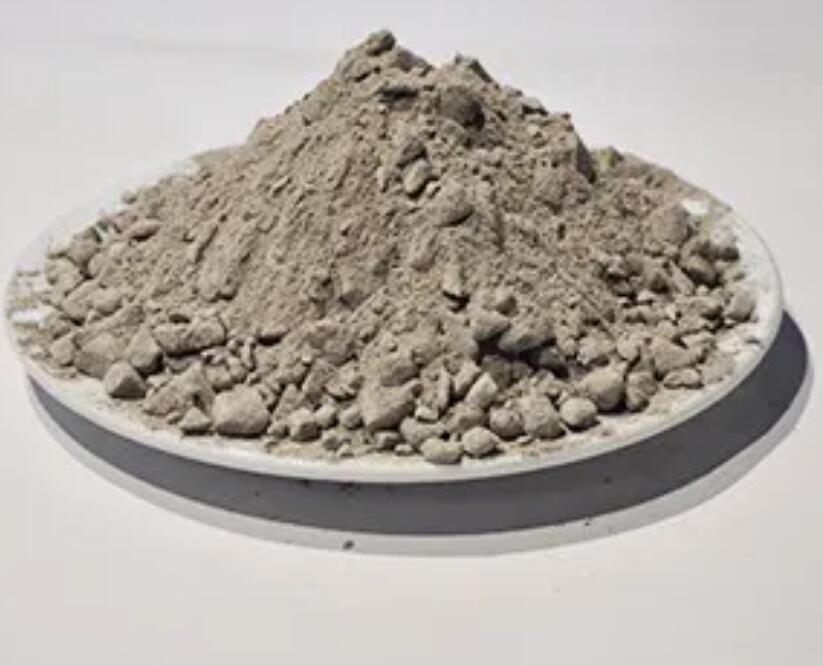
Particle Size Distribution: The Key to Optimal Performance
Particle size distribution plays an instrumental role in quartz ramming mass application. RS REFRACTORY customizes the grading from fine to medium and coarse particles, suited to different furnace capacities and operational requirements. Proper grading ensures excellent compaction, minimal shrinkage, and uniform heat transfer throughout the lining. The blend is engineered to maximize thermal shock resistance and withstand aggressive slags, linking to product keywords such as high performance quartz ramming mass and customized quartz ramming mass blend.
Furnace Preparation and Cleaning Techniques
Before applying quartz ramming mass, the furnace shell and existing lining must be cleaned thoroughly. Removal of old lining material, slag, and metallic residues is crucial to ensure proper bonding and prevent contamination. RS REFRACTORY employs mechanical and chemical cleaning processes: mechanical scraping, blasting, and chemical degreasers are used to achieve a pristine surface. This step is vital for the effective installation of induction furnace lining quartz ramming mass and neutral ramming mass for foundry applications.
Mixing and Tempering of Quartz Ramming Mass
Mixing is a critical phase in applying quartz ramming mass. RS REFRACTORY recommends using clean, dry tools for homogeneous blending of quartz ramming mass with the required binder (often boric acid for acidic formulations). The proportioning must adhere strictly to technical data sheets for the specific product grade, such as special grade quartz ramming mass or crystalline silica ramming mass. Tempering with controlled moisture is done to enhance workability and bonding strength.
Layering and Compaction Methods for Maximum Output
For optimal lining integrity, quartz ramming mass is applied in multiple layers, each compacted thoroughly.
RS REFRACTORY utilizes advanced pneumatic rammers and manual compaction tools to ensure uniform density, avoidance of air pockets, and close adherence to the furnace wall. The layering technique is dependent on furnace design and melting requirements. Layer thickness typically ranges from 50mm to 100mm, and compaction pressure is monitored continuously for consistent results. The application of high performance quartz ramming mass and thermal shock resistant quartz ramming mass benefits significantly from refined compaction methods.
Post time: Mar-02-2026